Size Press

PAPER MACHINE

Size Press

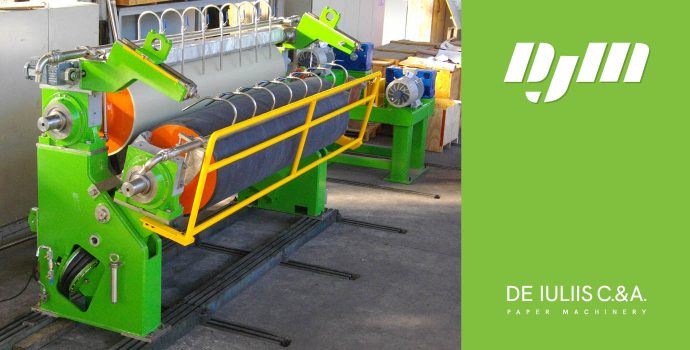
The size press is a unit installed in the dry end of the paper machine. Its main purpose is the surface application of aqueous starch solutions, sometimes enriched with other additives (such as resins, pigments, or dyes), in order to:

  •  Improve the strength and mechanical properties of the paper
  • Increase resistance to water and ink penetration
  • Optimize printability
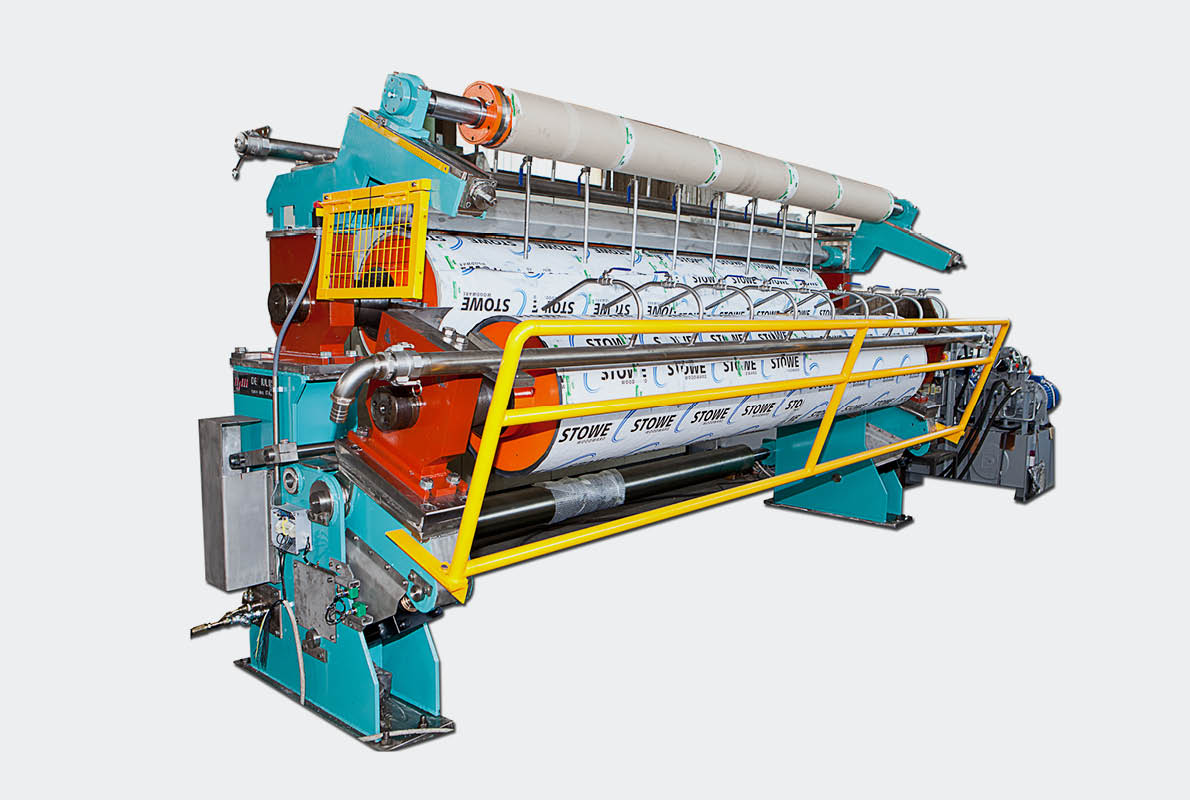
The size press consists of two covered press rolls, through which the paper web passes. A solution pond is formed between the rolls, and the nip pressure ensures controlled penetration of the starch into the paper surface.

Film Press

The film press is an alternative to the size press for the uniform and controlled application of a solution or suspension of additives on one or both sides of the paper web. The structure is similar to a size press, but includes two application heads with application rods, which apply a thin film of solution (starch or coating) to the surfaces of the two rolls. These rolls then transfer the solution onto the sheet in the press nip.
This system provides precise and even distribution of the chemical across the sheet surface, improving its printability.

The film press is particularly well-suited for high-speed machines and low basis weight papers.

Made in collaboration with DMS Industry

Comparison Between Size Press and Film Press

FeatureSize PressFilm Press
1Working PrinciplePartial immersion of the sheet in a pond between two rollsApplication of a liquid film via dosing rolls
2Penetration into the sheetHigh – due to pressure and immersionLimited – more superficial application
3Type of solution usedLow solids content solutions (typically 5–8%)Medium-to-high solids content solutions (8–12%)
4Coating uniformityMediumHigh
5Basis weight controlLimitedGood
6Viscous substance compatibilityLimitedExcellent
7Maintenance and simplicityHigher mechanical simplicity, easy to maintainMore complex, more expansive
8Capital investmentLowerHigher
9Operational flexibilityHigh – allows fast grade changesMore rigid for certain applications
10Reliability on lightweight gradesBetter – penetration improves mechanical strengthLower – higher breakage risk on thin papers